Painting your home's facade is not just an aesthetic choice. It protects against moisture, adds value to your property, and if you live in a shared building, it is also a matter of neighbour agreement. Before you begin, it is worth clarifying the legal steps, the real costs, and the technical decisions that will determine whether your paint job lasts for years or leaves you regretting it within months.
Do you need permission to paint your facade?
The answer depends on three factors: whether you live in a detached house or a shared building, whether you are changing the colour or just refreshing the existing one, and whether your building is in a protected area.
If you live in a detached house outside a historic district, many local authorities only require prior notification or a responsible declaration when you maintain the original colour. However, if you decide to change the tone or if your building is listed, the process is mandatory and may include a technical project.
In shared buildings, the facade is a common element. Any aesthetic change requires approval at a general meeting, normally by a three-fifths majority of owners. Painting on your own without authorisation can result in a financial penalty and the obligation to repaint at your own expense.
As for municipal permits, most authorities classify facade painting as minor work. This means submitting a responsible declaration and paying the corresponding fees, which usually range from 30 to 200 euros, plus construction tax, which can reach up to 4 percent of the project budget. In practice, for a 3,000 euro facade, you will be paying between 100 and 150 euros in taxes.
Working without prior notification can incur fines ranging from 600 to 3,000 euros, plus immediate suspension of the work. Consulting with your local authority before starting will save you trouble.
How much does it cost to paint a facade in 2026 (and what that price includes)
The average price for painting an exterior facade ranges between 12 and 35 euros per square metre, although in some areas it can reach 40 euros. The difference is not arbitrary: it depends on the condition of the surface, the type of paint, the height of the building, and whether cracks need repairing or moisture treatment before painting.
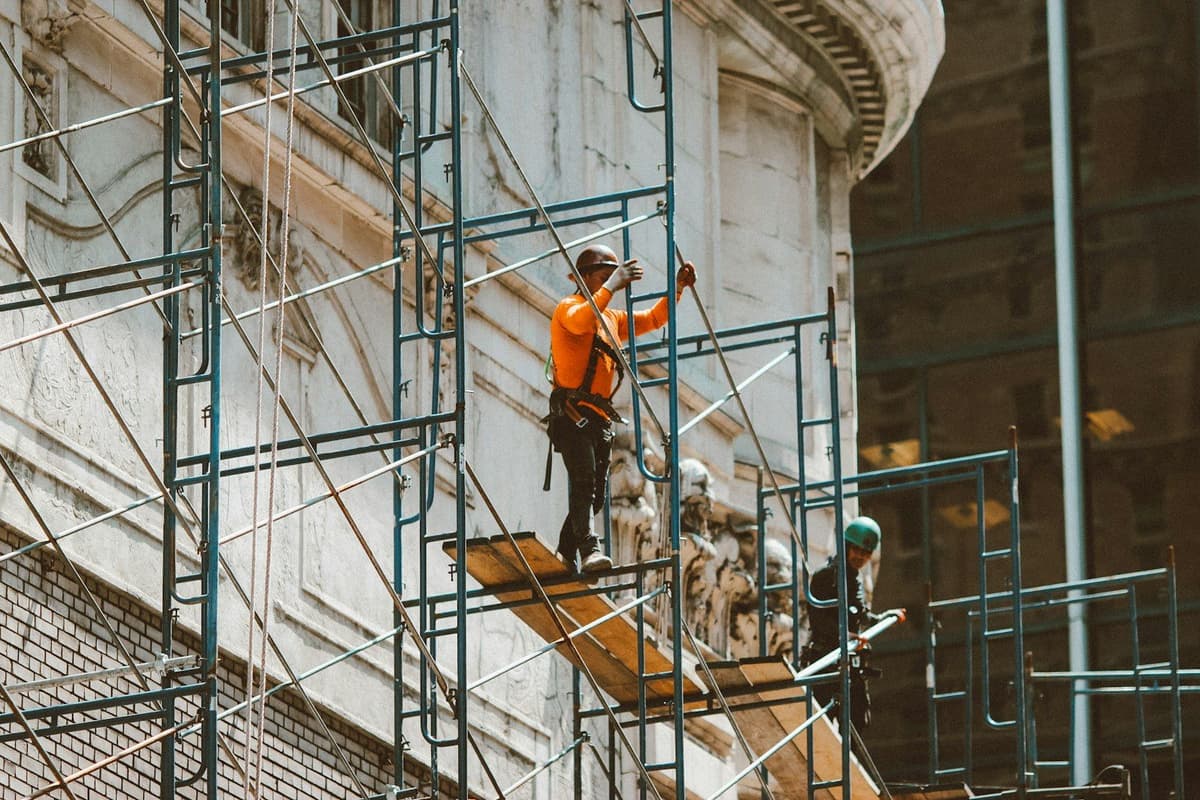
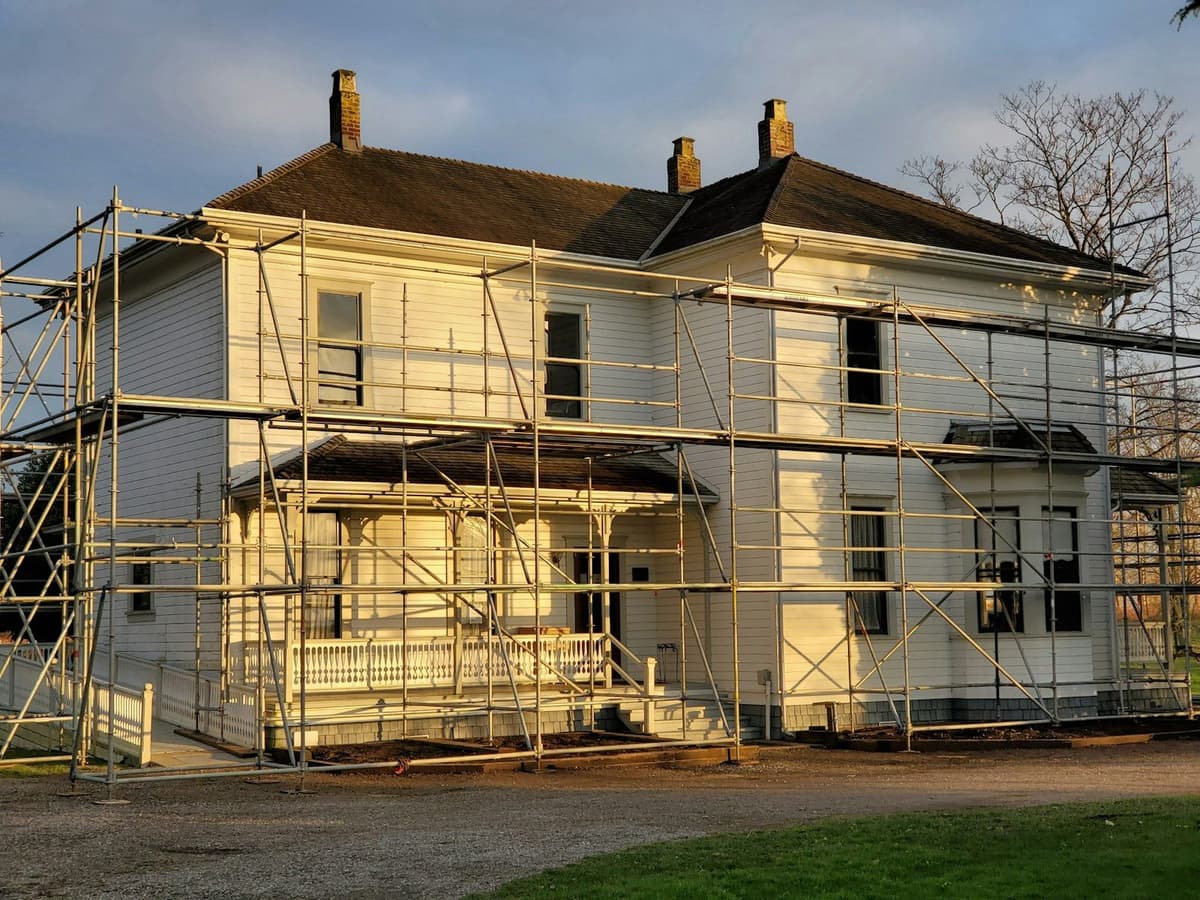
A realistic quote should include prior cleaning, crack repair with mortar, primer, at least two coats of paint, and if working at height, the rental of scaffolding or elevated platforms. The latter can add several hundred euros to the total, but they are essential both for safety and for regulatory compliance.
Additionally, if your property is more than two years old, you are an individual, and materials supplied by the contractor do not exceed 40 percent of the total budget, you may benefit from a reduced VAT rate of 10 percent instead of the standard 21 percent. That 11 percent saving can mean several hundred euros on a medium-sized project. However, the contractor must be able to justify that all requirements are met, so it is worth making this clear from the first quote.
Colours and materials that work in the local climate
The colour palette for facades has evolved. Pure cool whites have given way to warm tones that suit the Mediterranean climate and intense southern light better: earth ochres, sandy beiges, soft terracotta, and off-whites with cream undertones. These colours are not only fashionable, they also age better in the sun and disguise dust and dirt.
If your facade faces south or west, choose a paint with high UV resistance to prevent fading over one or two summers. In humid northern areas or on north-facing facades, prioritise waterproof paints with anti-mould and anti-algae treatment.
Finish also matters. Matte paints hide wall imperfections better, but are harder to clean. A soft satin finish offers a balance between aesthetics and durability, especially if the facade is exposed to rain or urban pollution.
As for timing: avoid painting in the height of summer if temperatures exceed 30 degrees, as the paint dries too quickly and may crack. Do not paint in winter if there is a risk of frost or very high ambient humidity. Spring and autumn remain the ideal seasons.
What to do if your facade has moisture or cracks
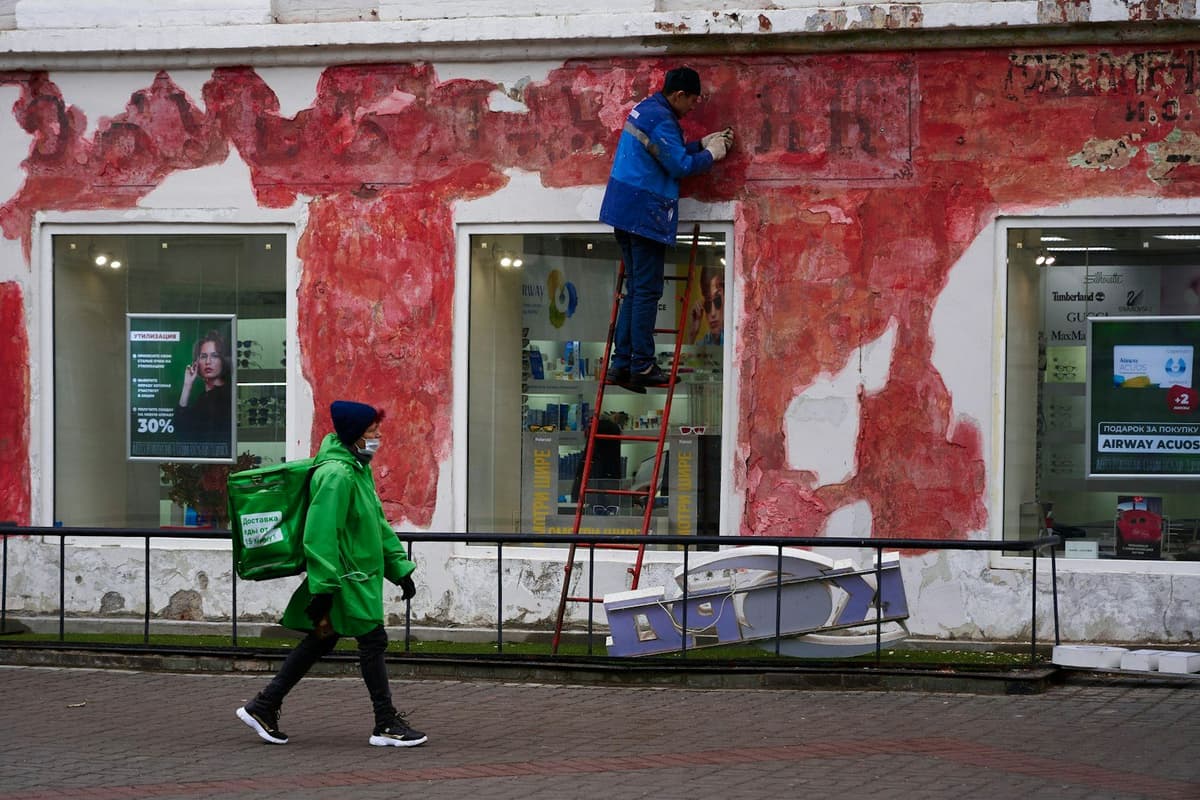
Painting over a damaged wall is money wasted. If your facade has visible cracks, damp patches, or areas where previous paint is peeling off in sheets, the problem is not the old paint: it is the wall itself.
Fine cracks (less than one millimetre) can be sealed with elastic filler. Wide cracks or ones that reappear after being filled may indicate structural issues or ground movement, and in that case it is worth having a surveyor assess them before painting.
Damp patches always have a cause: leaks from the roof, interior condensation, rising damp from the ground, or broken downpipes. Painting over them only masks the problem for a few months. The correct approach is to find the source, repair it, let the wall dry completely (sometimes this takes weeks), and only then apply anti-moisture primer before painting.
If the facade is exposed masonry or has textured cladding, make sure the paint is compatible. Not all paints adhere well to exposed brick or single-coat renders. In those cases, a specific primer makes the difference between paint that lasts ten years and paint that flakes off the first winter.
Before signing the quote: what it should include
A proper quote should break down costs by item: cleaning, repairs, primer, paint (specifying brand and number of coats), auxiliary equipment, and permit management. If the price is a flat fee with no detail of what is included, ask. Surprises in the form of "extras" halfway through the job are common when the initial quote is too vague.
Check that the contractor has public liability insurance. Working on a facade involves risks: falling materials, damage to parked cars, accidental breakage. If something goes wrong and the contractor has no insurance, you are the legal responsible party.
And if you want to apply the reduced 10 percent VAT rate, the contractor will ask you to sign a responsible declaration confirming that you meet the requirements (property more than two years old, private use, materials below 40 percent of the total). That declaration protects the contractor with the tax authority, but it also commits you: if you make a false declaration and there is later an inspection, the responsibility may fall on you.