Summer is one of the peak seasons for facade painting. Good weather invites it, the days are long, and many building communities take advantage of the season to carry out work without disturbing neighbours. But painting in summer has pitfalls that can cost you dearly if you don't know how to avoid them.
In this guide we'll review the most common mistakes when painting exteriors during hot weather, the recommended temperature ranges, and some technical details that make the difference between a job well done and one that starts to peel within a few months.
Applying paint in direct sun or with the facade too hot
One of the most frequent mistakes is painting when the wall is completely exposed to the sun. It might seem like the paint dries faster, and it does, but that accelerated drying is precisely the problem.
When the surface is very hot, the outer layer of paint dries before the rest of the product settles properly. The result is blistering, early cracks, and loss of adhesion within weeks. In areas where temperatures exceed 32 degrees during summer, painting at midday can be directly counterproductive.
The technical recommendation is clear: work early in the morning or late in the afternoon, when the wall is cool to the touch and the ambient temperature doesn't exceed 30 degrees. This way the drying is gradual and the paint film forms correctly. Some painters adjust their schedule to start at 7 in the morning and stop before noon, resuming after 6 in the evening.
Not considering the orientation of the facade
Not all facades of a building receive the same amount of sun or at the same times. A south-facing facade in summer can reach surface temperatures above 60 degrees if painted in dark tones. This affects not only when to apply the paint, but also the choice of product type and colour.
If your facade receives intense sun during the afternoon (west-facing), the most sensible approach is to paint it in the morning and leave it to dry without direct exposure. A north-facing facade, by contrast, is usually more protected from extreme heat, although it takes longer to dry if there is residual moisture.
For south or west-facing facades in warm climates, it's better to opt for light or medium colours. Dark tones retain much more heat, which stresses the paint, increases air conditioning consumption indoors, and can cause expansion of the substrate that eventually cracks the topcoat.
Ignoring the hours before a summer storm
Summer storms can be short but intense. In many inland and coastal areas it's common for the sky to be clear in the morning and for heavy rain to fall in the afternoon with little warning.
If you apply paint and rain falls within the next 24 to 48 hours before the product is fully cured, you can lose all your work. Fresh paint absorbs water, discolours, forms stains, and loses adhesion. Checking the weather forecast before you start is not excessive caution, it's common sense.
In summer, especially if you're working in inland areas where sudden storms are frequent, it's better to schedule the painting phase for days with stable weather forecasts for at least three consecutive days without rain.
Choosing cheap paint without considering UV exposure
In summer, ultraviolet radiation is at its maximum. Low-quality paint applied to a heavily exposed facade can start to lose colour in the first year, especially if you've chosen saturated tones (reds, dark blues, intense greens).
Standard acrylic paints have limited colour stability under intense UV. For a facade with prolonged sun exposure, the most sensible choice is to use siloxane or high-range acrylic paints, formulated specifically to resist solar radiation without fading.
The initial savings from buying cheaper paint disappear when you have to repaint in four or five years instead of ten. Also, quality paint offers better coverage, so often you need fewer coats and fewer total litres. If you ask for a quote per square metre, make sure it includes quality exterior paint, not generic interior paint adapted for outdoor use.
Forgetting that the price per m² is only indicative
Many facade painting quotes are expressed in euros per square metre. It's a convenient way to compare, but it can be misleading if you don't understand that two facades with the same surface area can be in completely different condition.
A freshly rendered and smooth wall is nothing like a 30-year-old facade with cracks, damp, flaking, or salt presence. The price per m² only makes sense as an initial indicator. The final quote should always be based on a real assessment of the surface condition, and our platform asks for photos and videos of the current state of the facade precisely to avoid surprises during the work.
If you receive a fixed quote without the painter having seen the facade or you having photos of the problem areas, be wary. It's very likely that during the work additional tasks will emerge (crack repair, damp treatment, deep sanding) that end up doubling the initial cost.
How to organise payment for the work safely
When you hire facade painting work, especially if it's substantial, it's common for the professional to ask for an upfront payment. Our platform applies a clear model: 50% at the start (to reserve the date on the painter's schedule and buy the necessary materials) and 50% at the end, once the work is verified.
This arrangement protects both parties. The professional has the certainty that they've reserved your project and can invest in materials without risk, and you ensure that the work is completed correctly before finalising the final payment. Never pay 100% upfront, no matter how good the painter's references.
Hiring without verifying that the painter is properly registered
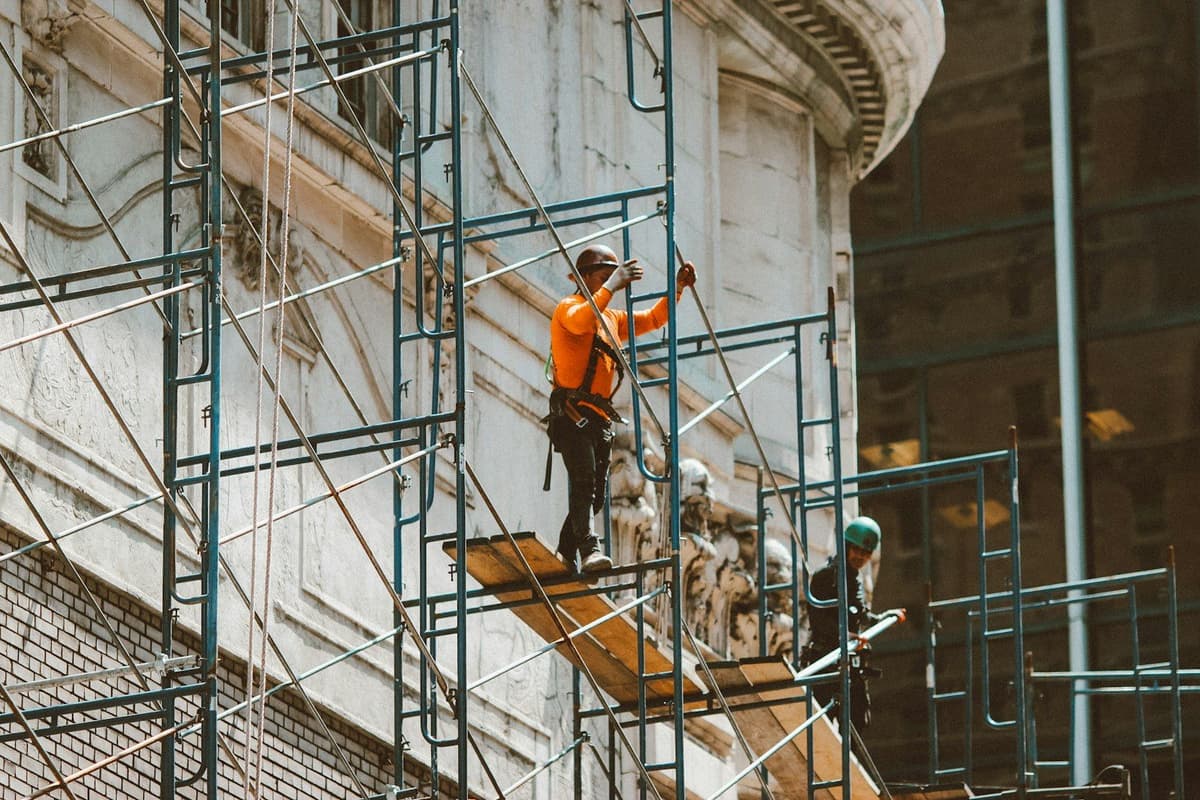
Painting a facade is not a favour between neighbours: it's work that requires scaffolding, working-at-height insurance, and a properly registered professional. If you hire someone who isn't registered as self-employed or doesn't have a constituted company, you assume all legal risks in case of an accident, and you have no real guarantee that the work will be completed or done well.
Our platform always verifies that the professional is properly registered to operate, either as self-employed or through a constituted company, before presenting them as an option. This saves you the verification process and gives you the peace of mind of working with someone who complies with regulations.
What to do if you've already painted and problems start to appear
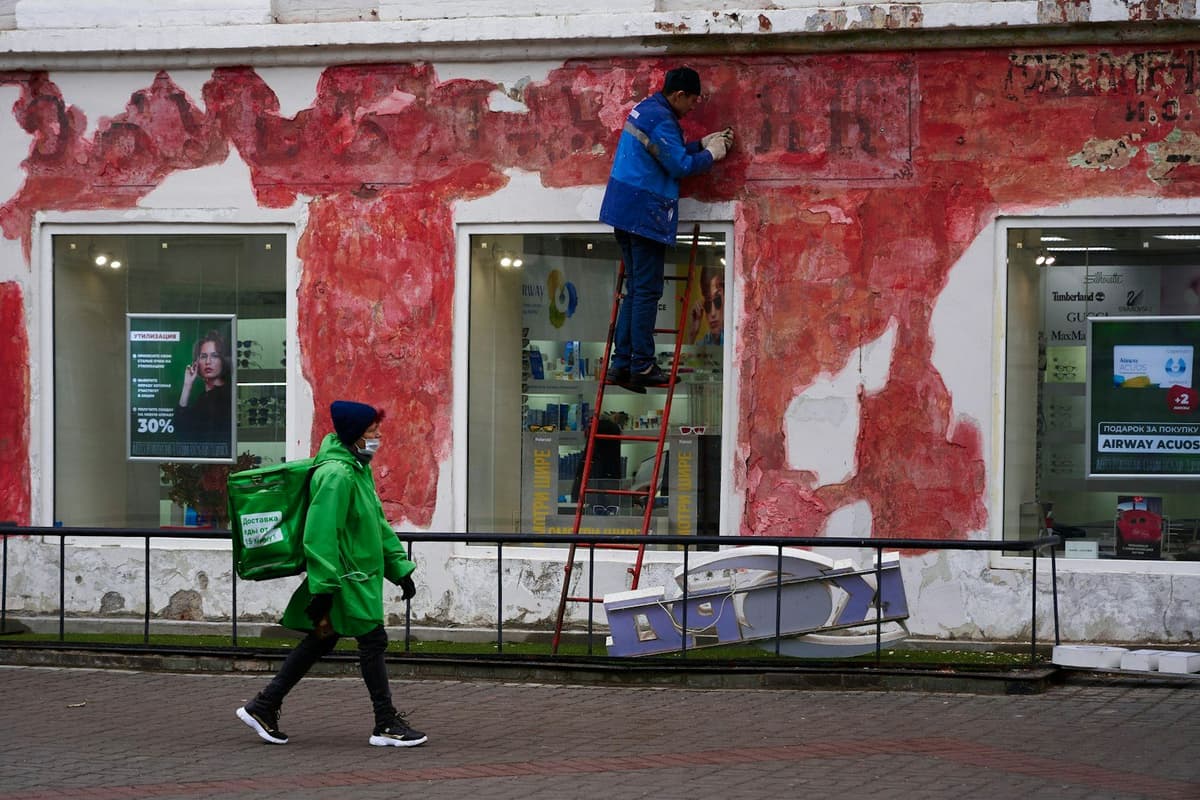
If you painted your facade this summer and in the following weeks blistering, flaking, or irregular stains start to appear, the problem is most likely due to poor substrate preparation or applying paint in unsuitable conditions (too hot, high humidity, wet surface).
In these cases, the solution almost always involves removing the affected areas, properly treating the substrate, letting it dry completely, and reapplying paint in suitable climatic conditions. It's frustrating, but trying to hide the problem with another coat of paint just delays the disaster by a few months.
If the work was done by a professional, you have the right to ask them to correct it at no additional cost as long as the fault is due to poor execution. That's why it's so important to be clear from the outset about what the quote includes, under what conditions the work will be carried out, and what guarantees the painter offers for the final result.