Painting the inside of a home seems straightforward: a roller, a couple of paint cans and some patience. Yet many projects end up with marks, drips, uneven finishes or adhesion problems. The difference between a professional result and a mediocre one usually comes down to details overlooked before you start.
Failing to prepare the surface properly before painting
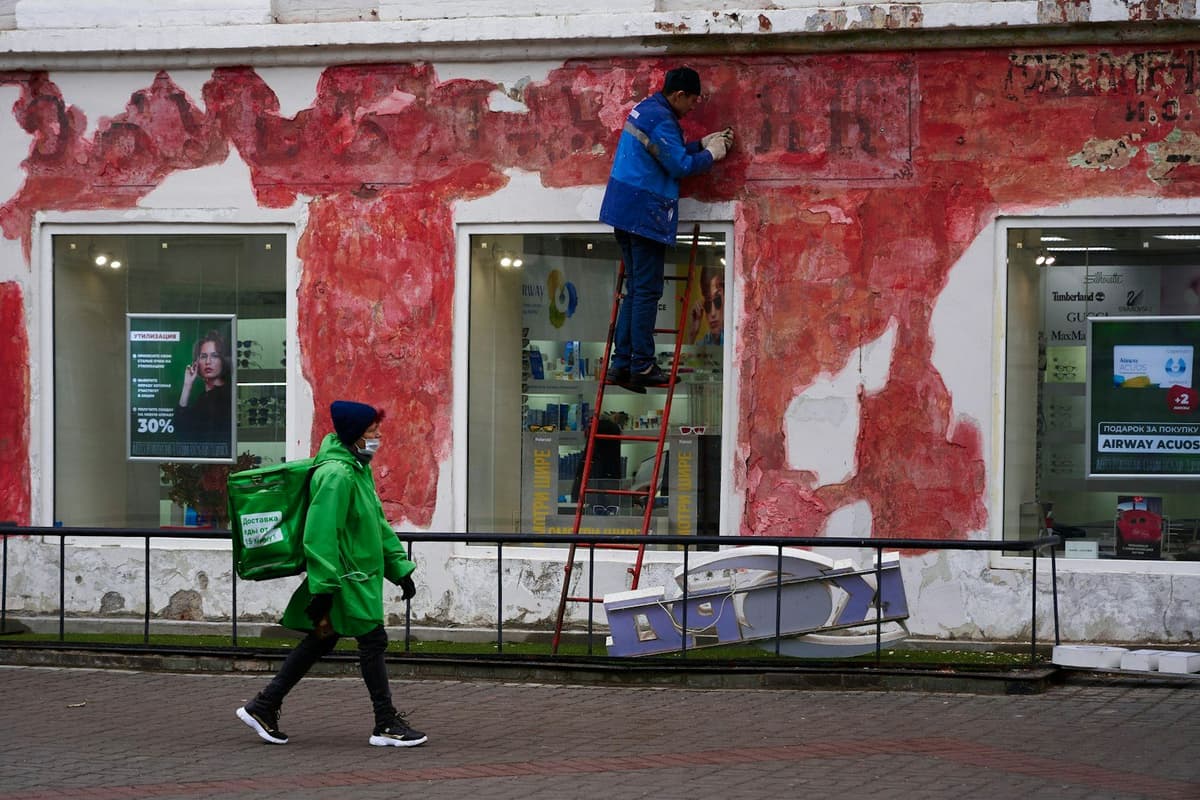
One of the most common mistakes is starting to paint directly onto dirty, cracked or damp walls. This oversight is responsible for most problems that follow: paint peeling off, stains reappearing or rough finishes.
Before applying the first coat, you must clean away dust, repair cracks and holes with filler, sand down uneven areas and remove any trace of moisture. If the wall has dark stains or is painted in an intense colour, applying a primer coat will prevent the old colour showing through and will save you from needing extra coats.
In older homes or those with a history of water damage, make sure the surface is completely dry. Painting over damp walls guarantees that the paint will blister or peel within a few weeks, forcing you to start over from scratch.
Choosing the wrong type of paint for each room
Not all paints work for all rooms. Using an unsuitable product can lead to difficulty cleaning, poor durability or a finish that fails to hide wall imperfections.
For bedrooms and living areas with walls in good condition, a matt paint offers an elegant look and conceals minor flaws. For kitchens, bathrooms and high-traffic areas, on the other hand, satin or semi-gloss finishes are better, as they resist moisture better and clean easily.
It is also important to check that the paint is formulated for interior use. Exterior paints contain additives that protect against the weather, but in enclosed spaces they can emit strong odours and take longer to dry. Similarly, if you are painting over tiles or wood, you will need specific products that guarantee adhesion.
Painting in unsuitable weather conditions
Temperature and air humidity directly influence the final result. Painting with humidity above 70 percent or with extreme temperatures (below 5°C or close to 40°C) causes the paint not to adhere properly, roller marks to form or drying to be uneven.
Spring is the ideal season for painting interiors, as mild temperatures help uniform drying and natural ventilation. If you need to paint in summer or winter, make sure to keep the room well ventilated and adjust the heating or air conditioning to create a stable environment while working and during drying hours.
It is also crucial to respect drying times between coats. Applying a second coat over still-wet paint drags the material, leaves visible roller marks and ruins the finish. Always read the manufacturer's instructions about recommended drying time before continuing.
Failing to protect furniture, floors and frames
Many people start painting without properly covering the surrounding area, resulting in hard-to-remove stains and unnecessary damage to furniture. Although it may seem obvious, this step is skipped far too often.
Remove everything you can from the room before you start. What cannot be moved, cover with plastic sheeting or protective paper. Also protect the floor, door and window frames, light switches and skirting boards with quality painter's tape. Spend a few extra minutes on this task: it will save you hours of cleaning later and the frustration of having to repair damaged surfaces.
Also, do not dip the roller or brush more than two thirds into the paint can. Loading too much product causes constant drips and wastes paint that will end up on the floor instead of on the wall.
What to do before starting your next project
If you are considering painting the interior of your home, calculate carefully how much paint you will need. One litre of medium-quality plastic paint covers approximately 8 to 10 m², provided the surface is in good condition. Buy an extra 10 percent for possible future touch-ups, but avoid accumulating unused cans.
Also make sure you have the right tools: drip-free rollers with short pile for smooth walls, quality brushes for corners and frames, painter's tape, paint tray with grid and protective sheeting. Gathering all your materials before you start will allow you to work smoothly and achieve a much cleaner and more durable finish.