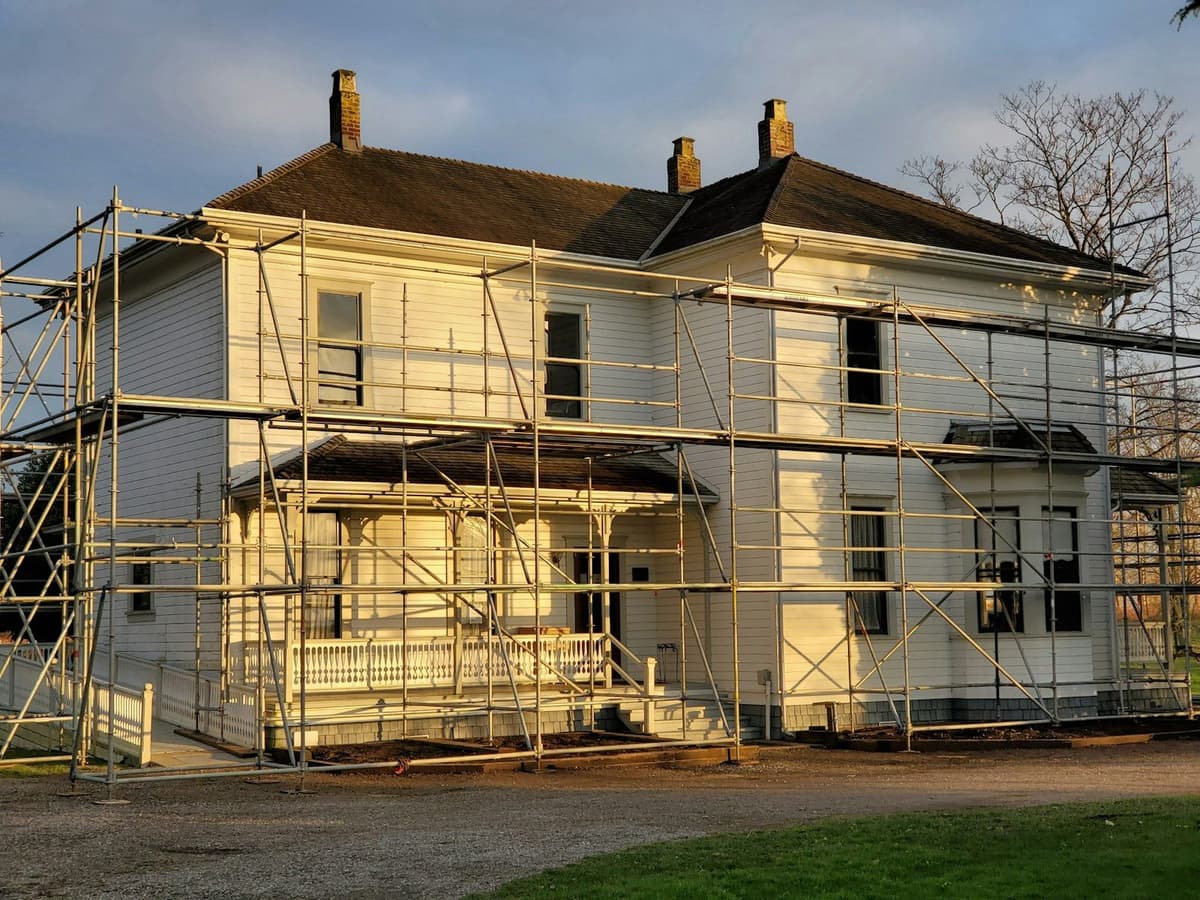
When it comes time to paint your facade, choosing the right type of paint is just as important as selecting the colour. The climate your home is exposed to (humidity, intense solar radiation, proximity to the sea, or dry environments) directly influences the durability, adhesion, and final appearance of the coating. Selecting the right product can make the difference between a facade that remains flawless for years or one that needs repainting in a short time.
Why climate makes a difference in exterior paint
Facades face far more demanding conditions than interior surfaces. Ultraviolet radiation gradually degrades pigments, rainwater can penetrate if the paint isn't waterproof, and sudden temperature changes cause the underlying surface to expand and contract.
Interior paint should never be used outdoors because it lacks the necessary weather resistance. Formulations for facades include UV protection, waterproofing, breathability, and additives that prevent mould growth, especially in high-humidity environments. Additionally, your climate type will determine which resin and finish are most appropriate.
It's important to remember that paint price largely reflects its composition and performance. Budget ranges typically offer shorter service life and lower resistance, which can prove more expensive in the long run.
Types of paint based on your area's climate conditions
Acrylic paints for warm and dry climates
Acrylic paints are one of the most widely used options thanks to their excellent balance of durability, ease of application, and sun resistance. They're ideal for inland areas with hot summers and little rainfall.
They withstand solar radiation well without losing adhesion, offer good waterproofing, and allow the wall to breathe, preventing moisture buildup. Their quick drying time makes application easier during long working days, and they're available in a wide range of colours.
Siloxane paints for humid or coastal areas
Siloxane paints are the best choice when your facade is exposed to high humidity, frequent rain, or marine environments. Their formulation combines silicone and siloxane resins, giving them exceptional water repellency and excellent breathability.
In coastal areas, salt spray and sea breezes accelerate surface deterioration, creating white stains and peeling. Siloxane paint offers greater protection in these harsh conditions and superior durability compared to other systems. Additionally, it incorporates additives that resist mould and algae growth, a common problem on north-facing facades or those with poor ventilation.
Elastomeric paints for surfaces with movement
Elastomeric paints stand out for their high flexibility, making them ideal for facades with minor cracks or those subject to sudden temperature swings. Their ability to stretch and contract without cracking prevents new breaks from appearing in the coating.
They're especially useful on older buildings or in areas with pronounced temperature differences between day and night. They also offer good protection against rain and contribute to the home's thermal insulation.
Surface preparation is key, regardless of paint type
Even the best paint on the market will fail if the surface isn't properly prepared. Preparation accounts for roughly 70% of a job's success, and it's even more critical outdoors due to constant weather exposure.
Before applying any product, you must ensure the wall is clean, dry, and sound. It's essential to remove all dirt, dust, mould, and loose paint flakes through brushing or low-pressure water cleaning. Cracks should be repaired with flexible exterior-grade fillers, and any moisture problems must be definitively addressed before painting.
If the surface is damp, the paint won't adhere properly and bubbles or peeling will appear within a short time. On facades with recurring moisture problems, it's advisable to first apply a waterproofing sealer or moisture-blocking treatment.
When our platform requests photos and videos of the surfaces to be painted, we're precisely looking to anticipate this kind of assessment before finalising the quote, avoiding surprises once work has begun.
How to know which paint you need: evaluate your surroundings before deciding
To choose thoughtfully, start by analysing the specific conditions your facade faces. Ask yourself whether your area gets frequent rain, whether it's near the sea, whether there's intense sun exposure, or whether temperatures vary greatly between seasons.
Your facade's orientation also matters: south-facing walls receive more sun and require greater UV resistance, while north-facing walls tend to accumulate more moisture and algae. If you live in a development with colour restrictions, check that your chosen finish is permitted.
A good professional will evaluate these factors before recommending a paint type. On our platform, all painters are properly registered as self-employed or have a registered business, ensuring they have the training and experience to advise you properly. Payment is structured in two phases: 50% upfront (to secure your date and purchase materials) and the remaining 50% upon completion, once the work has been verified.
Choosing the right paint from the start saves money, time, and hassle. Invest in quality, prioritise preparation, and match the product to your area's climate. Your facade will thank you for years to come.